
Ancient monuments often reveal how early civilizations understood the cosmos and expressed their beliefs through architecture. Across the world, from stone circles to pyramids, many cultures built structures aligned with celestial events. In southern Spain, archaeologists have uncovered a remarkable Iberian monument that reflects this deep connection between astronomy and spirituality. The site, located in the mountainous region of Jaén, offers rare insight into how the ancient Iberians used the movements of the sun to structure their rituals and myths.
Researchers studying the monument discovered that its design aligns precisely with the winter solstice sunrise. This alignment suggests that the monument was not simply a stone structure but part of a carefully planned ritual landscape. When the sun rises on the shortest day of the year, the monument interacts with the surrounding terrain in a symbolic way, creating a visual event that may have been central to religious ceremonies. The discovery highlights the sophisticated astronomical awareness of Iberian societies and reveals how celestial phenomena were integrated into their mythology and seasonal rituals.
Table of Contents
Monumento Ibérico del Solsticio
| Key Aspect | Details |
|---|---|
| Location | El Fontanar, near Jódar, Jaén, Spain |
| Cultural Period | Iberian civilization (5th–4th century BCE) |
| Main Structure | Stone monolith about 5.3 meters tall |
| Astronomical Alignment | Winter solstice sunrise |
| Ritual Feature | Shadow of monolith reaching toward a cave |
| Symbolic Meaning | Sacred union between solar hero and fertility goddess |
| Cultural Significance | Evidence of astronomy integrated with religion |
Monumento Ibérico del Solsticio Revela Astronomía Sagrada Ligada A Un Mito Estelar
The discovery described as “Monumento Ibérico del Solsticio revela astronomía sagrada ligada a un mito estelar” focuses on an Iberian sanctuary known as El Fontanar, located near the town of Jódar in Jaén, Spain. Archaeologists believe this site dates back to the Iberian period, roughly between the 5th and 4th centuries BCE. The monument appears to have been intentionally positioned to interact with sunlight during the winter solstice, creating a symbolic moment that may represent the rebirth of the sun and the renewal of life.
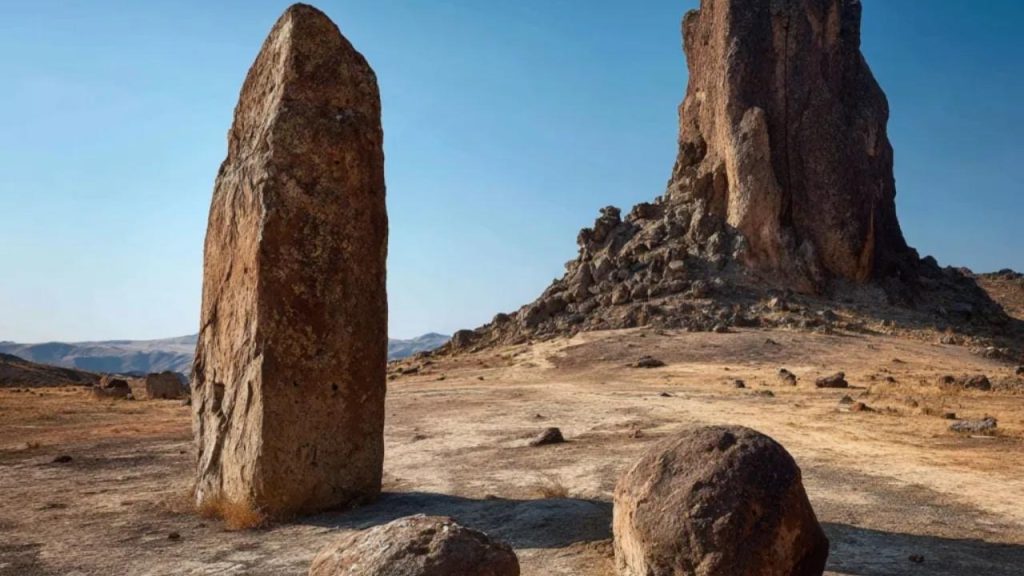
At the heart of the complex is a tall stone monolith positioned near a cave-like formation. During the winter solstice sunrise, the shadow of the monolith is projected toward the cave entrance. Researchers interpret this alignment as a representation of a sacred union, possibly connected to fertility rituals or a mythological narrative involving a solar hero and a goddess associated with life and regeneration. The discovery offers a rare glimpse into the spiritual worldview of the Iberian people and their ability to merge astronomical observation with religious symbolism.
Qué es el monumento
The Iberian monument discovered at El Fontanar is composed of a large standing stone placed strategically within the natural landscape. The monolith stands approximately 5.3 meters tall and is positioned near a triangular cave-like structure carved into the hillside. Together, these elements form a symbolic architectural composition that appears to represent both masculine and feminine forces.
The standing stone likely symbolized a powerful divine or celestial figure, possibly associated with the sun. The cave, on the other hand, may have represented fertility, earth, or the womb of a goddess. By combining these elements within a single ceremonial setting, the Iberians created a physical space where mythological narratives could be acted out through natural phenomena.
The design suggests that the monument was intentionally built to create a specific visual effect during a particular time of year. Rather than being a random arrangement of stones, the site demonstrates careful planning and a deep understanding of the surrounding terrain and solar movement.
La “astronomía sagrada”
One of the most remarkable aspects of the monument is its precise alignment with the winter solstice. On this day, the sun rises at a unique point on the horizon. As the sunlight reaches the monument, the tall stone casts a shadow that stretches directly toward the nearby cave.
This interaction between sunlight, shadow, and architecture likely played an important role in Iberian ritual practices. Ancient cultures frequently observed celestial cycles to mark important moments in their calendars. The winter solstice, representing the shortest day of the year, was often interpreted as the symbolic rebirth of the sun.
The alignment at El Fontanar indicates that the Iberians possessed advanced knowledge of solar movements. They understood how the sun’s position changed throughout the year and were able to design monuments that highlighted these shifts. This practice reflects what scholars describe as sacred astronomy, where celestial events were incorporated into religious structures and ceremonies.
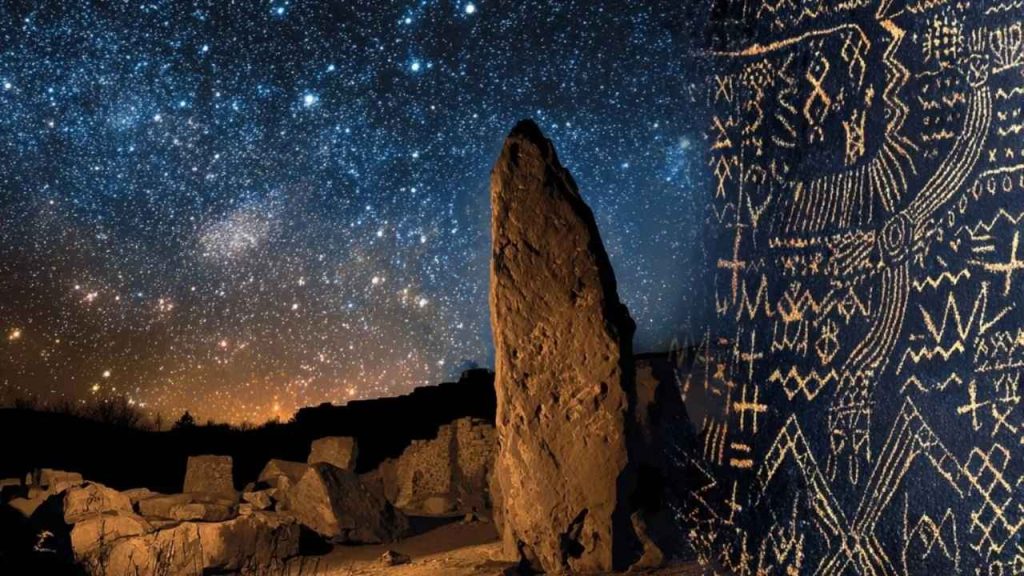
Rather than serving only as a timekeeping tool, the monument appears to have transformed an astronomical event into a spiritual experience. The rising sun and the movement of the shadow would have created a powerful visual moment that reinforced the community’s beliefs about cosmic renewal.
El mito estelar o solar asociado
The monument is also believed to reflect an ancient Iberian myth involving a solar hero and a goddess connected with fertility. According to archaeological interpretations, the shadow of the monolith entering the cave may symbolize the union between these two divine figures.
This sacred union, often referred to as hierogamy, appears in many ancient traditions across the Mediterranean world. In such myths, the union between a sky or solar deity and an earth goddess represents the renewal of life and the return of fertility to the land.
Researchers propose that the Iberian myth may have followed a seasonal narrative. During late summer, the solar hero might have been symbolically “called” or summoned. As autumn approached, the hero could have been believed to descend into the underworld, reflecting the gradual weakening of the sun.
The winter solstice then marked the moment of rebirth. At this time, the sun begins to regain strength as days slowly grow longer. The symbolic union with the goddess would represent the restoration of life and the promise of agricultural renewal for the coming year.
Through this mythological framework, the monument at El Fontanar served as a stage where cosmic cycles and sacred stories intersected.
Un sistema ritual más grande
Archaeologists believe that the monument at El Fontanar may have been part of a broader sacred landscape rather than an isolated ritual site. The region of Jaén contains several Iberian sanctuaries, suggesting that these locations were connected through cultural and religious traditions.
One such site is the sanctuary of El Pajarillo, another important Iberian religious center in the area. These sanctuaries may have formed a network of pilgrimage destinations where rituals and ceremonies took place during key moments of the year.
Participants may have traveled between these sites, reenacting mythological events connected to the sun, seasonal cycles, and agricultural fertility. Such journeys could have reinforced social bonds while also strengthening shared beliefs about the relationship between humans, nature, and the cosmos.
The idea of a ritual landscape also highlights how ancient communities integrated their sacred spaces with the natural environment. Mountains, caves, and horizon lines were not merely geographic features but active components of spiritual expression.
Conclusion
The Iberian monument at El Fontanar provides an extraordinary example of how ancient civilizations combined astronomy, architecture, and mythology into a unified cultural expression. By aligning the monument with the winter solstice sunrise, the Iberians created a powerful visual event that symbolized cosmic renewal and divine union.
Beyond its impressive astronomical precision, the monument reveals a deeper understanding of the natural world and its spiritual meaning. The careful placement of the monolith and cave suggests that the Iberians saw celestial movements as part of a larger mythological story about life, death, and rebirth.
Today, the discovery offers valuable insight into Iberian religion and cultural practices. It also reminds us that long before modern science, ancient societies were already observing the skies with remarkable attention and integrating those observations into their rituals, beliefs, and monuments.